What Are Hives?
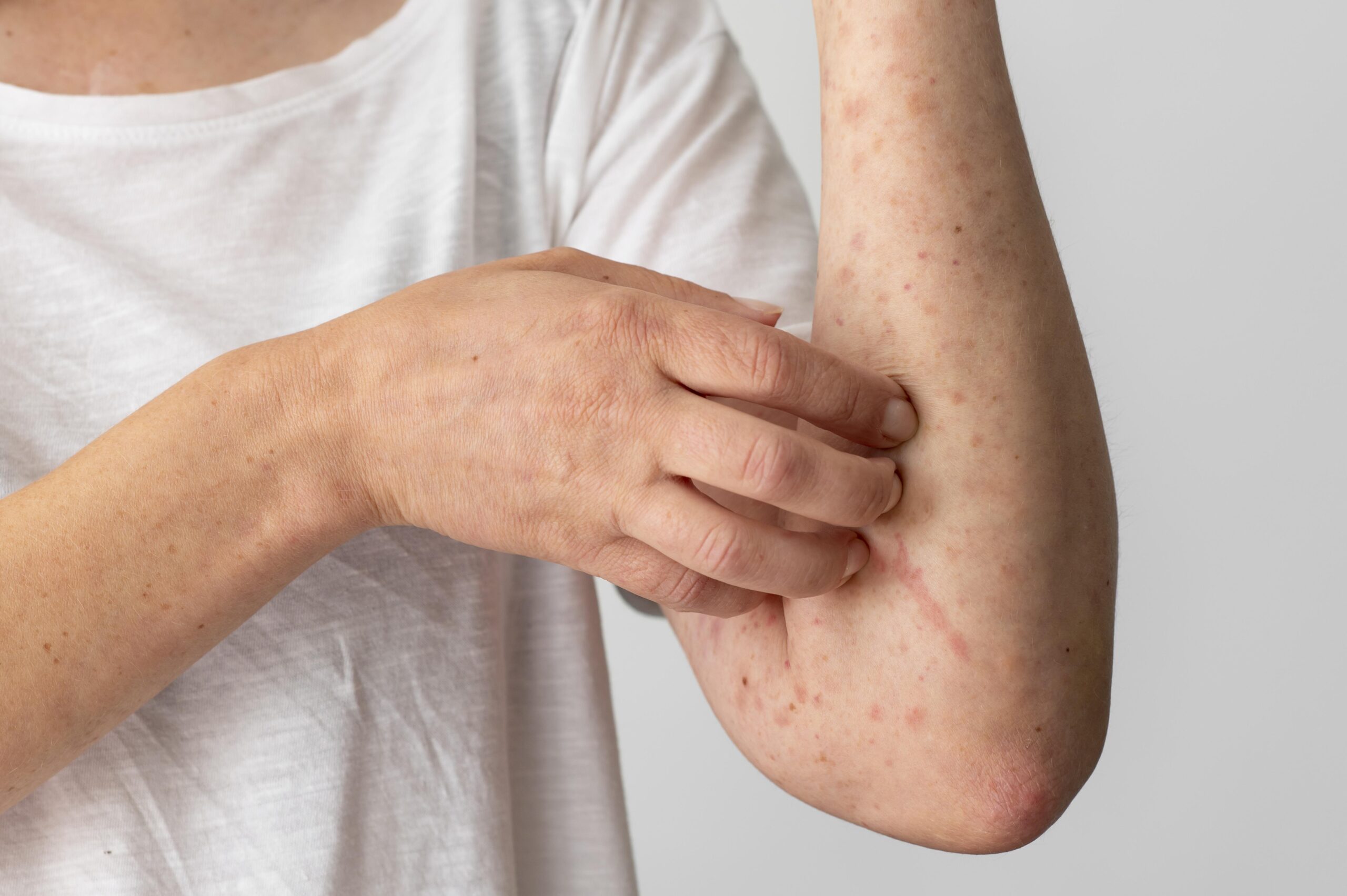
Hives, also called urticaria, are itchy, raised bumps on the skin. These bumps can appear suddenly. They often look red or pale and may join together to form larger patches. Many people wonder, “What are hives?” Hives are a common skin rash that can affect anyone. Understanding hives is important because they can be uncomfortable and sometimes signal an allergic reaction. Usually, hives go away on their own, but sometimes they need treatment. Knowing the basics helps you spot hives early and seek help if needed.
Common Symptoms of Hives
Hives have some clear signs. For example, you may notice:
Sometimes, hives last only a few hours. However, in some cases, they can last for days. If you see swelling in your throat or have trouble breathing, seek medical help right away.
Causes and Triggers of Hives
There are many reasons why hives can appear. Often, the cause is an allergic reaction. However, other triggers are also common. Some of the most frequent causes include:
Sometimes, the exact cause is not clear. This is called idiopathic hives. Even so, tracking your triggers can help you avoid future outbreaks.
How Hives Are Diagnosed
Doctors usually diagnose hives by looking at your skin and asking about your symptoms. In many cases, no special tests are needed. However, if hives keep coming back, your doctor may ask about your medical history. Sometimes, blood tests or allergy tests help find the cause. For example, if a food allergy is suspected, you may need an allergy test. Early diagnosis helps guide the best treatment.
Treatment Options for Hives
Most hives go away without treatment. However, if you feel very itchy or uncomfortable, treatment can help. Common options include:
In rare cases, hives can be part of a serious allergic reaction called anaphylaxis. If you have trouble breathing or swelling in your throat, call emergency services right away. For most people, simple treatments work well.
Tips for Managing and Preventing Hives
While hives can be hard to predict, you can take steps to lower your risk. Here are some helpful tips:
By following these tips, you may prevent future outbreaks. However, if hives keep coming back, talk to your doctor for more help.
If you think you have hives, consult a dermatologist Dr. Rajesh for personalized advice.