
Introduction
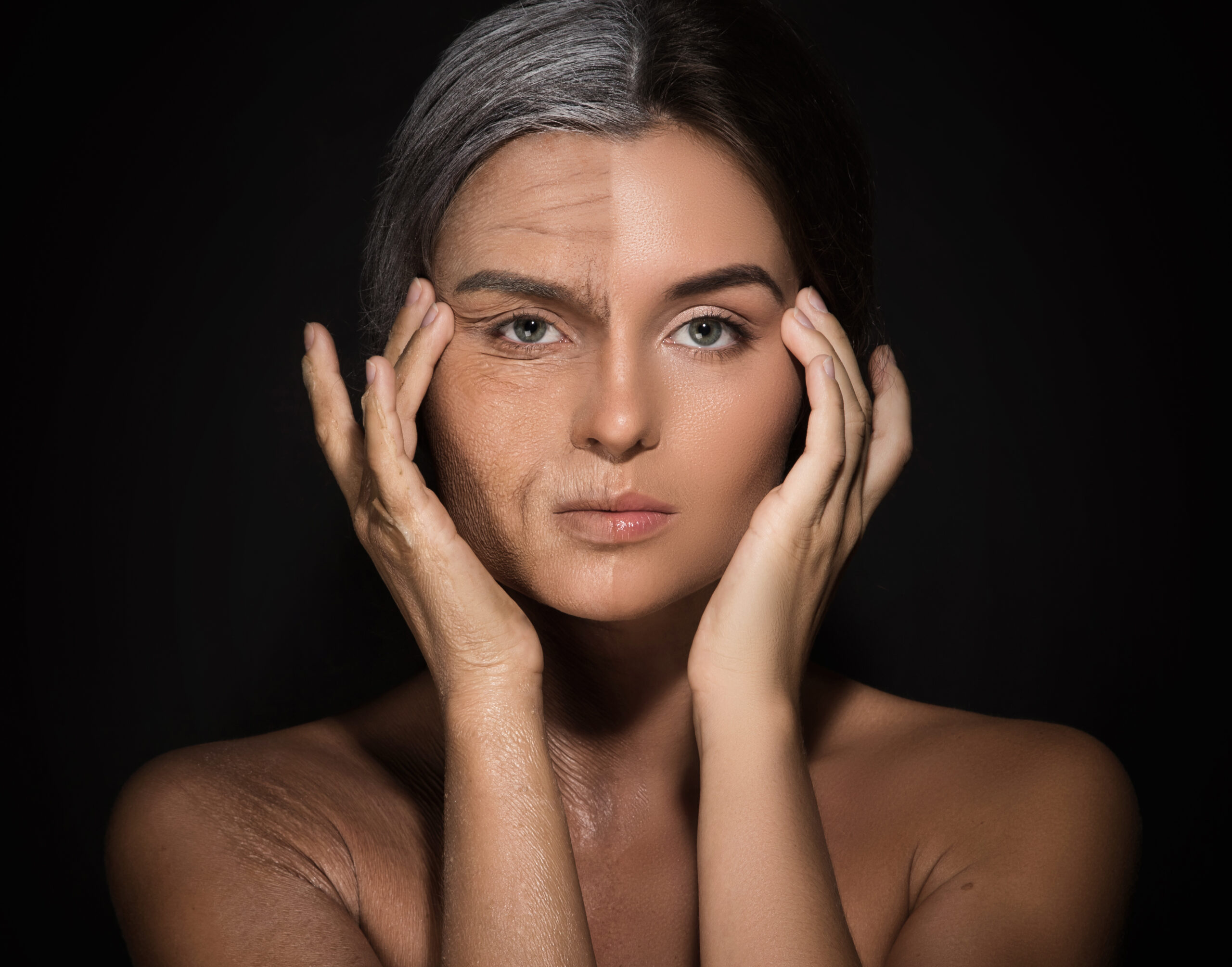
Skin aging and wrinkles are natural parts of getting older. As we age, our skin changes in many ways. For example, it may become thinner, drier, and less elastic. Wrinkles are lines or folds that appear on the skin, especially on the face, neck, and hands. Although everyone experiences skin aging and wrinkles, some people notice them earlier or more often. Understanding what causes these changes can help you take steps to care for your skin.
Symptoms of Skin Aging and Wrinkles
Many signs show that your skin is aging. While some changes are mild, others are more noticeable. Common symptoms include:
However, not everyone will have all these symptoms. Some people may only notice a few changes.
Causes and Risk Factors
Several factors cause skin aging and wrinkles. While aging is the main cause, other things can speed up the process. For instance, sun exposure is a leading reason for early wrinkles. Here are some common causes and risk factors:
Because many factors play a role, it is important to protect your skin every day.
Diagnosis and When to See a Doctor
Usually, you can spot skin aging and wrinkles by looking in the mirror. Even so, sometimes changes may be sudden or severe. In these cases, it is wise to see a dermatologist. A doctor can:
If you notice new moles, sores that do not heal, or rapid changes in your skin, seek medical advice. Early care can prevent more serious issues.
Treatment Options (Medical and Lifestyle)
There are many ways to treat skin aging and wrinkles. While some people choose medical treatments, others prefer lifestyle changes. Here are common options:
Because each person’s skin is different, it is best to talk with a dermatologist before starting new treatments.
Prevention Tips and Daily Care
Although you cannot stop aging, you can slow down skin changes. For example, daily care and smart habits make a big difference. Try these tips for wrinkle prevention and anti-aging skincare:
Because prevention is easier than treatment, start these habits early for healthier skin.
Frequently Asked Questions
Can I get rid of wrinkles completely?
No, you cannot remove all wrinkles. However, you can reduce their appearance with good skincare and treatments.
Does drinking water help prevent wrinkles?
Yes, staying hydrated keeps your skin plump and healthy. But water alone will not stop wrinkles.
Are anti-aging creams safe?
Most over-the-counter creams are safe. Still, always check with a dermatologist before using new products.
When should I start using wrinkle prevention products?
It is never too early to care for your skin. Many experts suggest starting in your 20s or 30s.
Conclusion
Skin aging and wrinkles are normal, but you can take steps to slow them down. With daily care, healthy habits, and the right treatments, you can keep your skin looking its best. For the best advice, consult Dr. Rajesh for personalized advice.