
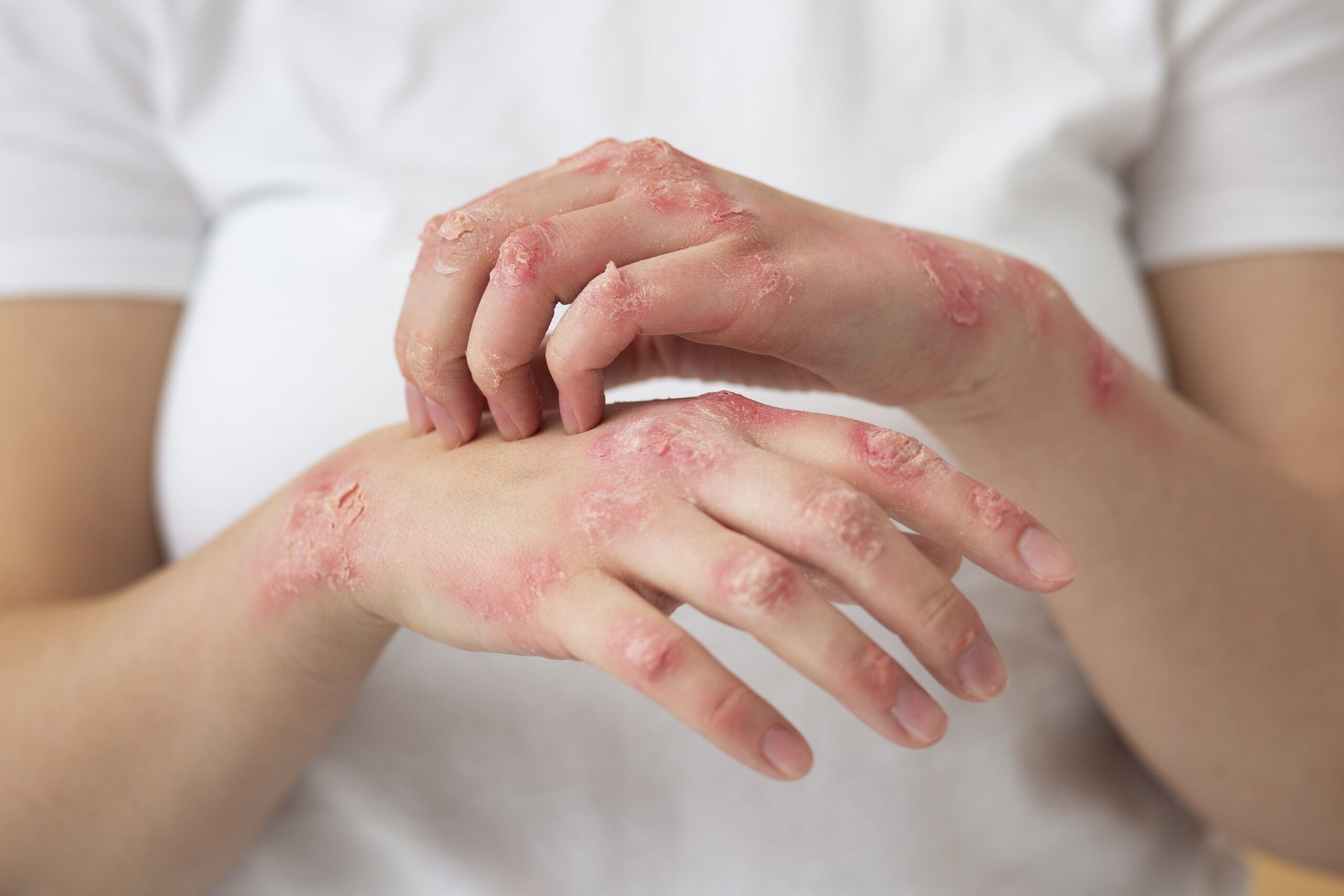
What is Eczema?
Eczema is a common skin condition that causes dry, itchy, and red patches. Many people wonder about eczema causes and how to prevent flare-ups. While eczema can affect anyone, it often starts in childhood. The skin becomes sensitive and reacts to certain triggers. Although eczema is not contagious, it can be uncomfortable. Understanding what causes eczema can help you manage symptoms better. According to the CDC, eczema is also called atopic dermatitis. It is one of the most common skin problems worldwide.
Major Causes of Eczema
Several factors can lead to eczema. Knowing these eczema causes can help you avoid flare-ups. Here are the main reasons:
Risk Factors
Some people are more likely to develop eczema. For example, children and those with a family history face higher risks. Additionally, people with allergies or asthma may also have eczema. Living in a city with high pollution can increase your chances. If you have sensitive skin, you might notice symptoms more often. Knowing these risk factors can help you stay alert and take early action.
How to Identify Triggers
It is important to know what causes eczema flare-ups for you. First, keep a diary of your symptoms. Write down what you eat, your activities, and any new products you use. Next, notice if your skin reacts after certain events. For example, after using a new soap or eating a specific food. Over time, you may see patterns. This can help you avoid eczema triggers and reduce flare-ups.
Prevention Tips
While you cannot always avoid eczema, you can lower your risk. Here are some simple eczema prevention tips:
Following these steps can help you manage eczema and prevent flare-ups.
When to See a Dermatologist
Sometimes, home care is not enough. If your eczema does not improve or gets worse, it is time to seek dermatology advice for eczema. For instance, if you notice signs of infection like pus or severe redness, see a doctor right away. Also, if itching keeps you awake or affects your daily life, professional help can make a big difference. Dermatologists can suggest treatments that work best for your skin type.
In summary, knowing what causes eczema and how to prevent it can help you live more comfortably. Consult Dr. Rajesh for personalized advice on managing eczema.