
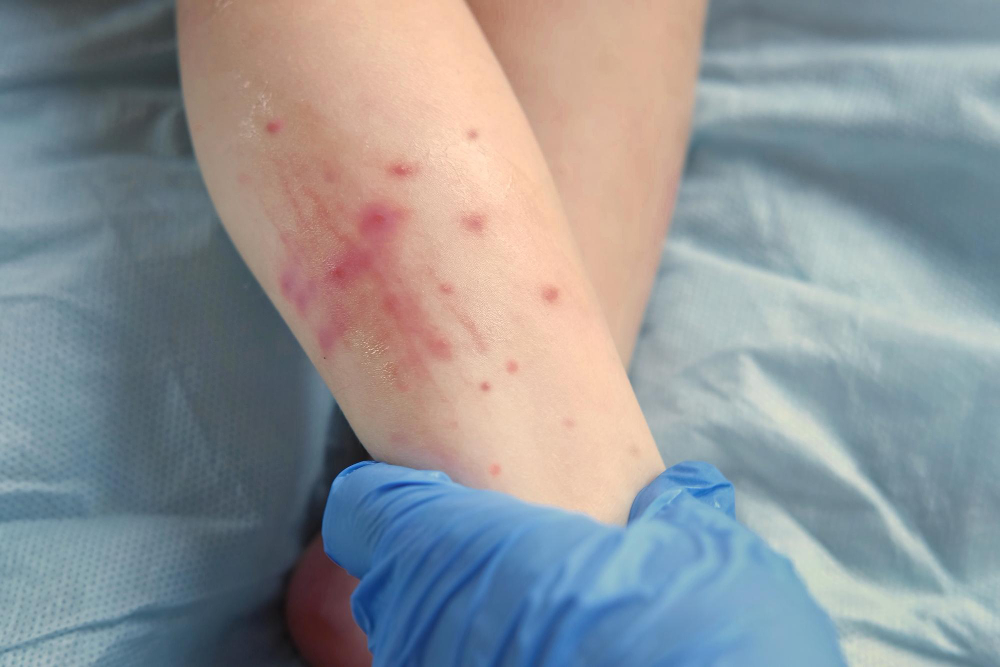
What is Dermatitis (Skin Irritation)?
Dermatitis, also known as skin irritation, is a common condition. It causes redness, itching, and sometimes swelling on the skin. Many people experience dermatitis at some point in their lives. While it is not usually dangerous, it can be uncomfortable. In most cases, dermatitis is not contagious. However, it can affect your daily life if not managed well. Understanding the causes and symptoms can help you take better care of your skin.
Common Causes of Dermatitis
There are many reasons why dermatitis may develop. Sometimes, the cause is easy to spot. Other times, it may be less clear. Here are some common causes:
In addition, some types of dermatitis, like atopic dermatitis (eczema), are linked to the immune system. Others, such as seborrheic dermatitis, may be related to yeast on the skin.
Recognizing Symptoms of Dermatitis
Dermatitis can look different for each person. Yet, some symptoms are common. Knowing what to look for can help you spot the problem early. Common symptoms include:
Sometimes, the skin may also feel sore or tender. For example, if you scratch a lot, the area can become painful. If you notice these signs, it is important to take action.
How is Dermatitis Diagnosed?
Doctors can often diagnose dermatitis by looking at your skin. First, they will ask about your symptoms and any possible triggers. Sometimes, they may ask if you have allergies or a family history of skin problems. In some cases, your doctor may do tests, such as:
Usually, these tests help find the cause. However, not everyone needs testing. Your doctor will decide what is best for you.
Treatment Options for Dermatitis
There are many ways to treat dermatitis. The right treatment depends on the cause and how severe your symptoms are. Some common treatment options include:
For mild cases, home remedies like cool compresses can soothe the skin. However, if symptoms are severe or do not improve, you may need prescription medicine. Always follow your doctor’s advice for the best results.
Prevention Tips for Healthy Skin
While you cannot always prevent dermatitis, there are steps you can take to lower your risk. Here are some helpful tips:
Additionally, managing stress and eating a balanced diet can support healthy skin. If you notice early signs of irritation, act quickly to prevent it from getting worse.
When to See a Dermatologist
Sometimes, home care is not enough. You should see a dermatologist if:
Early treatment can prevent problems from getting worse. Therefore, do not wait too long to seek help.
In summary, dermatitis (skin irritation) is common but manageable. With the right care, most people can control their symptoms. For personalized advice on managing dermatitis, consult Rajesh at Dr Maheshwari skin clinic.