
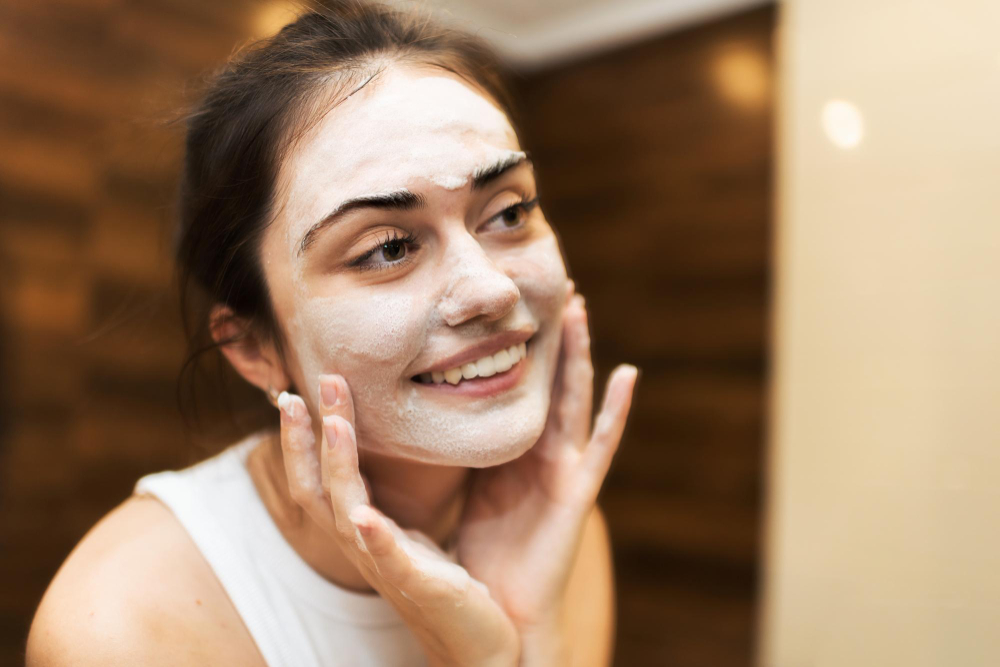
What Is Exfoliation?
Exfoliation is the process of removing dead skin cells from the surface of your skin. This can be done using gentle scrubs, brushes, or special creams. Many people ask, “how often should you exfoliate?” because they want smooth, healthy skin. Exfoliation helps your skin look brighter and feel softer. It also allows other skincare products to work better.
Why Is Exfoliation Important for Skin Health?
Exfoliation plays a key role in keeping your skin healthy. When you remove dead skin cells, your skin can breathe and renew itself. For example, regular exfoliation can help prevent clogged pores and reduce breakouts. In addition, it can make your skin tone look more even. However, too much exfoliation can harm your skin. That is why it is important to find the best exfoliation routine for your needs.
How Often Should You Exfoliate?
The answer depends on several factors. Not everyone should exfoliate at the same rate. Let’s look at what affects safe exfoliation frequency:
For most people, exfoliating one to three times a week is safe. But, always listen to your skin. If you notice redness or stinging, reduce how often you exfoliate.
Signs You Are Over-Exfoliating or Under-Exfoliating
It is important to watch for signs that you are exfoliating too much or too little. For instance, over-exfoliation can cause:
On the other hand, under-exfoliation may lead to:
If you notice any of these signs, adjust your routine. Sometimes, less is more when it comes to exfoliation.
Tips for Safe and Effective Exfoliation
To keep your skin healthy, follow these exfoliation tips for healthy skin:
For best results, stick to a simple, safe exfoliation frequency that works for you.
When to Consult a Dermatologist
Sometimes, you may need expert advice. For example, if you have skin conditions like eczema or acne, a dermatologist can help you choose the best exfoliation routine. In addition, if you notice ongoing redness, pain, or peeling, seek professional help. A dermatologist can recommend safe products and guide you on how often you should exfoliate for your unique skin.
In summary, exfoliation can help your skin look and feel its best. However, it is important to find the right balance. Consult a dermatologist at Dr Maheshwari skin clinic for personalized skin care advice.