
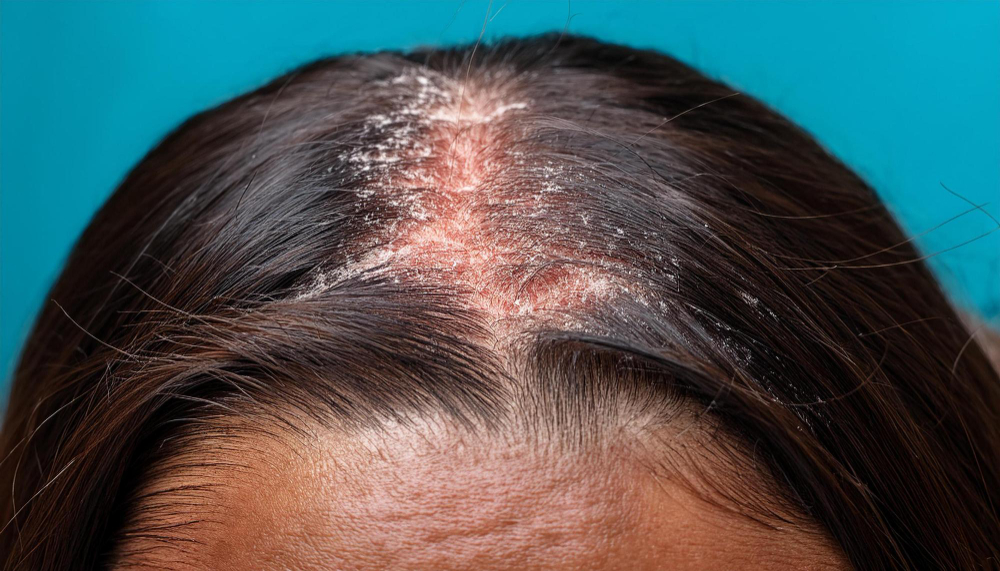
What Is Scalp Psoriasis?
Scalp psoriasis is a skin condition that causes thick, scaly patches on the scalp. Often, people mistake it for dandruff. However, scalp psoriasis is more than just dry skin. It is a long-term problem that can come and go. According to the American Academy of Dermatology, about half of people with psoriasis have it on their scalp. Because it can look like other scalp issues, many people do not realize they have scalp psoriasis.
Symptoms of Scalp Psoriasis
Scalp psoriasis symptoms can vary from mild to severe. Sometimes, the signs are easy to miss. But, knowing what to look for can help you get the right treatment. Common symptoms include:
While mild cases may only cause slight flaking, severe scalp psoriasis can be very uncomfortable. In some cases, the patches may spread beyond the hairline.
Causes and Risk Factors
Scalp psoriasis happens when the immune system sends signals that make skin cells grow too fast. As a result, these extra cells pile up and form thick patches. Although the exact cause is not known, several factors can raise your risk:
Because scalp psoriasis is not contagious, you cannot catch it from someone else. However, if you have a family member with psoriasis, your risk is higher.
How Scalp Psoriasis Differs from Dandruff
Many people wonder about the difference between dandruff and scalp psoriasis. Both can cause flaking, but there are key differences. For example, dandruff usually causes white or yellow flakes and mild itching. In contrast, scalp psoriasis often leads to thick, silvery scales and red patches. Additionally, scalp psoriasis can cause pain or burning, while dandruff does not. Because the treatments are different, it is important to know which one you have.
Diagnosis
If you have ongoing scalp flaking, a doctor can help. Usually, a dermatologist will look at your scalp and ask about your symptoms. Sometimes, they may take a small skin sample to check under a microscope. This helps rule out other conditions, such as eczema or fungal infections. Early diagnosis can make treatment for scalp psoriasis more effective.
Treatment Options
Treatment for scalp psoriasis depends on how severe it is. Many people start with special shampoos or creams. Some common treatments include:
Because each person is different, your doctor may suggest a mix of treatments. If you live in a city with a dermatologist, you can ask about scalp psoriasis treatment in your area.
Lifestyle Tips and Home Care
Managing scalp psoriasis at home can help reduce flare-ups. Here are some tips:
Because triggers can vary, keeping a diary of your symptoms may help you spot patterns. Over time, you may learn what makes your scalp psoriasis worse.
Prevention and When to See a Doctor
While you cannot always prevent scalp psoriasis, you can lower your risk of flare-ups. For example, managing stress and avoiding harsh hair products can help. If you notice new or worsening symptoms, it is important to see a doctor. Early treatment can stop the problem from getting worse. In summary, if you have thick, stubborn flakes or red patches, do not wait to get help.
If you notice persistent scalp flaking or irritation, consult Dr. Rajest at Maheshwari Skin Clinic for personalized advice.