
Introduction
Many people want smoother, brighter skin. Two popular options are chemical peels and laser treatments. In this guide, we compare Chemical Peel vs Laser Treatment to help you choose the best skin treatment options. Both methods can improve skin texture and tone. However, they work in different ways. Chemical peels use special solutions to remove the top skin layer. On the other hand, laser treatments use focused light to target deeper skin layers. Let’s explore how each works and which may be right for you.
What Is a Chemical Peel?
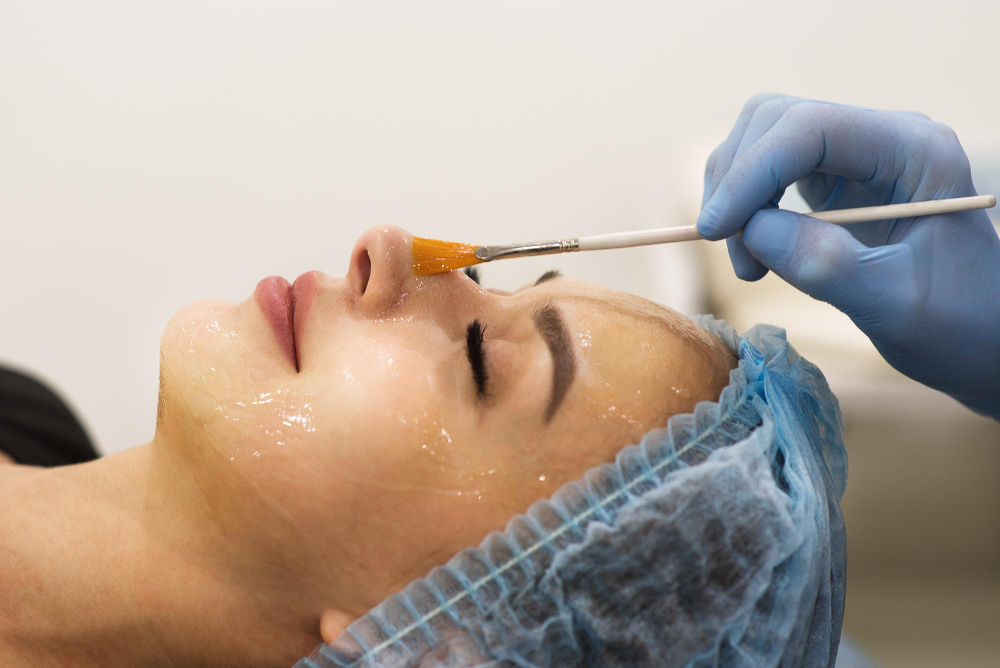
A chemical peel is a safe cosmetic procedure. It uses a chemical solution to remove the outer layer of skin. This process helps reveal fresher, smoother skin underneath. Usually, chemical peels treat fine lines, sun damage, acne scars, and uneven skin tone. There are three main types:
According to the American Academy of Dermatology, chemical peels are often safe when done by trained professionals.
What Is Laser Treatment?
Laser treatment, also called laser skin resurfacing, uses focused beams of light. These beams remove damaged skin cells and boost new skin growth. There are two main types:
Laser treatments can help with wrinkles, scars, age spots, and uneven skin tone. Many people choose this method for its precision and lasting results.
Key Differences Between Chemical Peels and Laser Treatments
Although both treatments improve skin, they have key differences. For example, chemical peels use solutions, while lasers use light. Here are some main differences:
Therefore, your choice may depend on your skin type and goals.
Benefits and Risks of Chemical Peels
Benefits of Chemical Peels
Many people notice smoother, brighter skin after a peel.
Risks of Chemical Peels
However, most side effects are mild and fade with proper care.
Benefits and Risks of Laser Treatments
Benefits of Laser Treatments
Laser skin resurfacing often gives dramatic, long-lasting results.
Risks of Laser Treatments
Still, most people recover well with proper aftercare.
Which Treatment Is Right for Your Skin Type?
Choosing between chemical peel vs laser treatment depends on your skin type and goals. For example, people with lighter skin may see fewer side effects from both treatments. However, those with darker skin should be careful, as both methods can cause color changes. Here are some tips:
Always ask about the best skin treatment options for your needs.
How to Prepare for Each Procedure
Proper preparation helps you get the best results and lowers risks. Here’s what you can do:
Preparation steps may differ for each procedure, so always check with your provider.
Recovery and Aftercare Tips
After your treatment, gentle care is important. Here are some aftercare tips:
With proper care, your skin will heal faster and look its best.
Frequently Asked Questions
In summary, both chemical peels and laser treatments offer great ways to improve your skin. However, the best choice depends on your skin type, goals, and health. Consult a board-certified dermatologist at Dr Maheshwari Skin Clinic to determine the best treatment for your skin needs.