
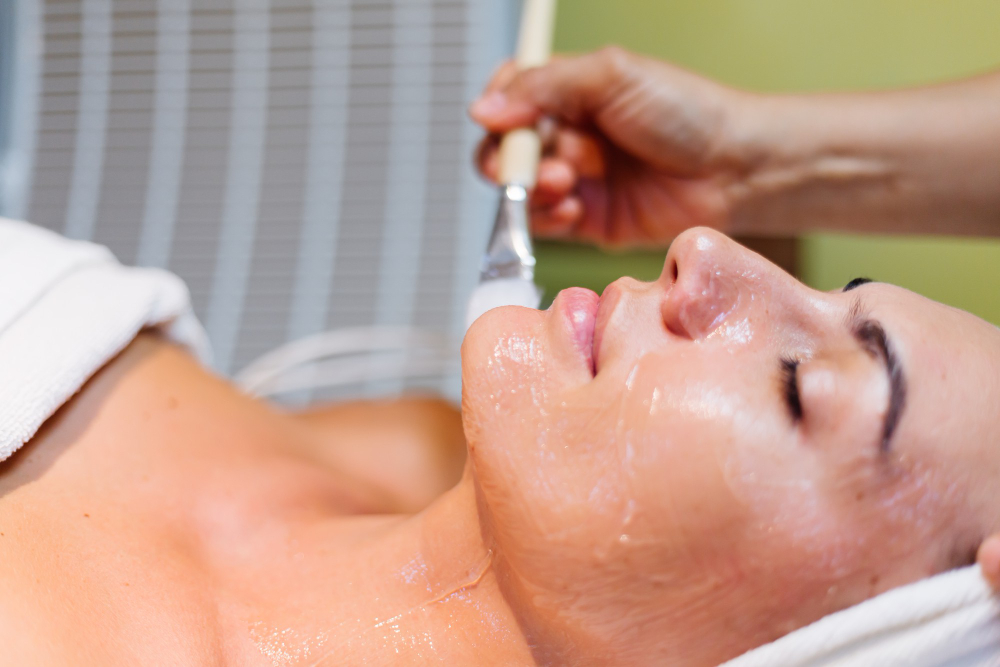
Dry and dehydrated skin can make your face feel tight, rough, or flaky. Both conditions mean your skin lacks moisture, but for different reasons. Hydration is key for healthy, glowing skin. In this blog, we will explore hydration treatments for dry & dehydrated skin, discuss skin hydration, moisturizing treatments, and share the best remedies for dry skin. Understanding these can help you choose the right care for your skin.
What is Dry & Dehydrated Skin?
First, it helps to know the difference. Dry skin is a skin type. It means your skin does not produce enough natural oils. On the other hand, dehydrated skin is a condition. It means your skin lacks water, not oil. Sometimes, you can have both at once. For example, your skin may feel oily but still look dull or feel tight. Both need special care to restore moisture and keep skin healthy.
Common Symptoms and Causes
Many people notice signs of dry or dehydrated skin, especially during cold weather or after using harsh soaps. However, knowing the symptoms helps you act early. Common symptoms include:
Several factors can cause these problems. For instance, cold air, hot showers, or low humidity can strip moisture from your skin. In addition, using harsh cleansers or not drinking enough water can make things worse. Sometimes, medical conditions like eczema or certain medications also play a role.
Diagnosis: How to Identify Dry or Dehydrated Skin
It is important to know what type of skin issue you have. While both can look similar, there are some differences. For example, dry skin often feels rough and may flake. Dehydrated skin may feel tight and look dull, but it can still be oily. You can try a simple test at home. Gently pinch your cheek. If it wrinkles easily instead of bouncing back, your skin may be dehydrated. Still, a dermatologist can give you the best advice and diagnosis.
Top Hydration Treatments
There are many ways to treat dry and dehydrated skin. Because everyone’s skin is different, you may need to try a few options. Here are some of the best hydration treatments:
Prevention Tips for Healthy, Hydrated Skin
Keeping your skin hydrated is easier than you think. Try these simple tips:
By following these steps, you can help prevent dry or dehydrated skin before it starts.
When to See a Dermatologist
Sometimes, home care is not enough. If your skin stays dry, itchy, or irritated for weeks, it is time to see a dermatologist. Also, if you notice redness, swelling, or open sores, get medical advice. A dermatologist can check for skin conditions like eczema or allergies. They can also suggest stronger treatments if needed. Early care can prevent bigger problems later.
In summary, hydration treatments for dry & dehydrated skin can make a big difference in your skin’s health. Try these tips and remedies for better skin hydration. For the best results, consult a dermatologist Dr. Rajesh for personalized hydration treatment advice.