
What Are Skin Tags?
Skin tags are small, soft growths that appear on the skin. They are not dangerous. In fact, most people will have at least one skin tag during their life. Skin tags often form in areas where skin rubs together. For example, you may find them on your neck, underarms, or eyelids. Because they are common, many people wonder about skin tags removal and if they need to worry about them.
Common Symptoms and Appearance
Usually, skin tags are easy to spot. They are soft and hang off the skin by a thin stalk. Sometimes, they look like tiny balloons or bumps. Most skin tags are flesh-colored, but some may be a bit darker. Although they are usually painless, they can become irritated if they catch on clothing or jewelry. For this reason, knowing how to identify skin tags can help you care for your skin.
Causes and Risk Factors
While the exact cause of skin tags is not fully known, experts believe friction plays a big role. When skin rubs against skin, tags are more likely to form. In addition, some people are more at risk than others. For example, people who are overweight or have diabetes may notice more skin tags. Age is also a factor, as skin tags become more common as people get older. Family history can play a part as well.
How Skin Tags Are Diagnosed
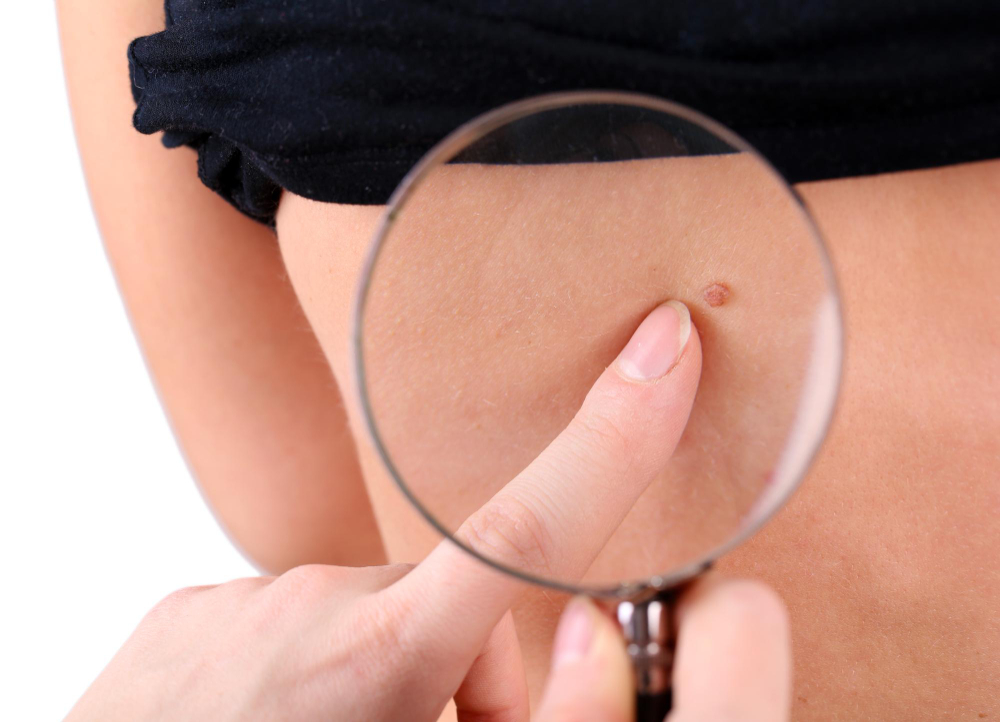
Doctors can usually diagnose skin tags by looking at them. Because skin tags have a unique look, they are easy to spot. Sometimes, a doctor may use a magnifying tool to see the growth better. Rarely, if a growth looks unusual, a doctor may suggest a biopsy. This means a small piece is tested to make sure it is not something else. However, most skin tags do not need special tests.
When Is Skin Tag Removal Needed?
Although skin tags are harmless, there are times when removal is needed. For instance, if a skin tag becomes painful, bleeds, or changes color, you should see a doctor. Sometimes, people want skin tags removed for cosmetic reasons. In other cases, tags may get caught on clothing or jewelry, causing discomfort. However, not all skin tags need to be removed. If you are unsure when to remove skin tags, a healthcare provider can help you decide.
Safe Removal Options
There are safe ways to remove skin tags. However, you should not try to remove them at home. Instead, doctors use several methods. For example, they may cut the tag off with sterile scissors. Sometimes, they freeze the tag with liquid nitrogen, a process called cryotherapy. Another option is burning the tag off with a small electric current. Each method is quick and usually leaves little or no scar. According to the CDC and dermatology experts, professional removal lowers the risk of infection.
Prevention and Skin Care Tips
Although you cannot always prevent skin tags, some steps may help. For example, keeping your skin dry and clean can reduce friction. Wearing loose clothing may also help prevent rubbing. In addition, maintaining a healthy weight can lower your risk. If you have diabetes, managing your blood sugar may help as well. While skin tags are not dangerous, good skin care can keep your skin healthy.
aking care of your health starts with the right information and timely support. Reach out to Dr. Rajesh at Maheshwari Skin Clinic